
What we learned, written down.
Notes from the work: what broke, what it cost, and what we would do differently. No thought leadership, no reposted news.
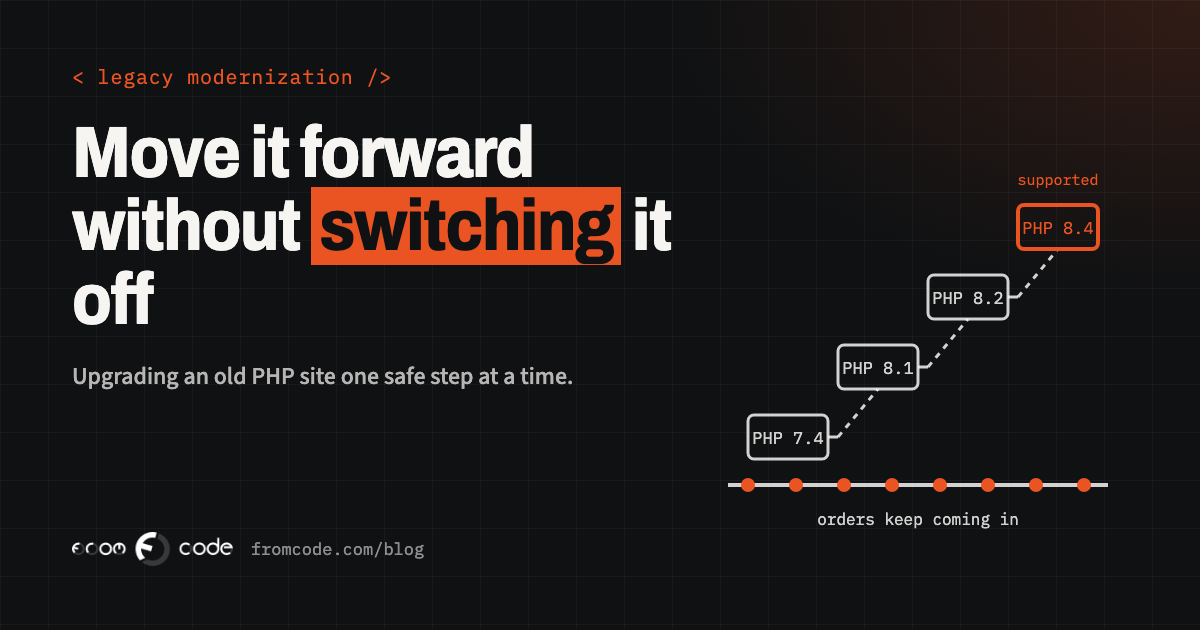
An old PHP site that still makes money: how to move it forward without stopping it
The site works, it takes orders every day, and its PHP version is running out of support. How to move an old PHP site onto a supported version and improve it piece by piece, without a rewrite and without switching it off.
A backup you have never restored is a hope, not a backup
Backups fail quietly and are discovered on the worst possible day. What to back up besides the database, how often and where to keep it, the two business numbers that decide it, and how to test a restore so you know it works before you need it.
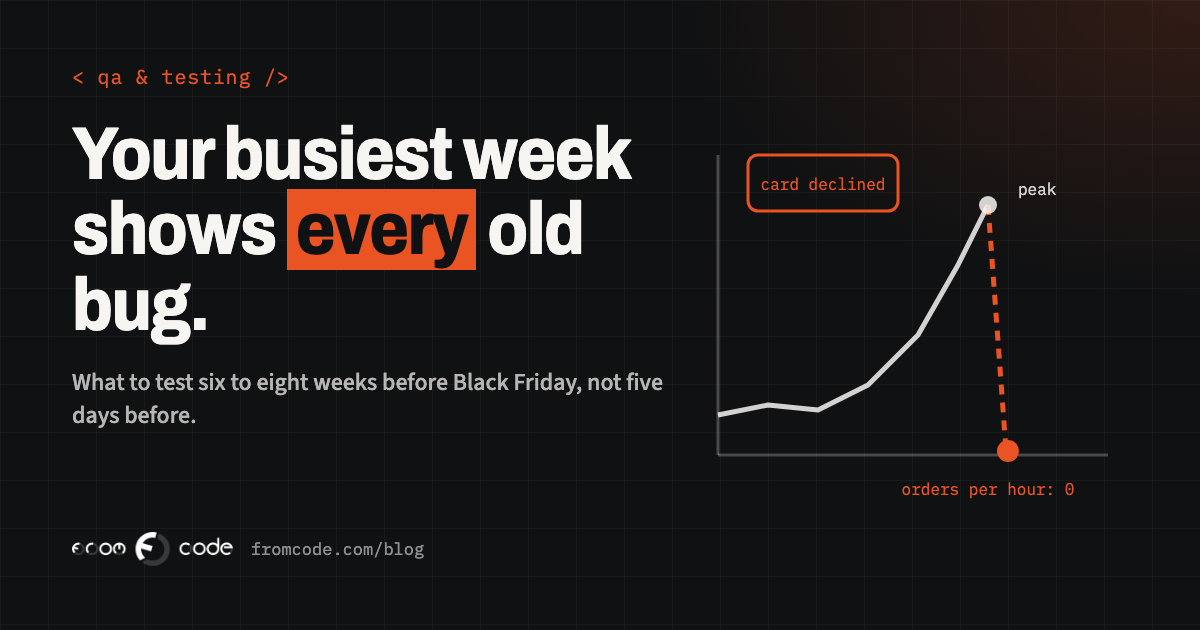
Testing the paths that earn money before your busiest week
The faults that hurt most in a busy week were there all along; the peak only makes them visible. What to test before your busiest week and how far ahead: rehearsing the money paths, failed payments, load, slow couriers, stock, e-mails, watching the right numbers, a change freeze, and a plan for when something breaks anyway.
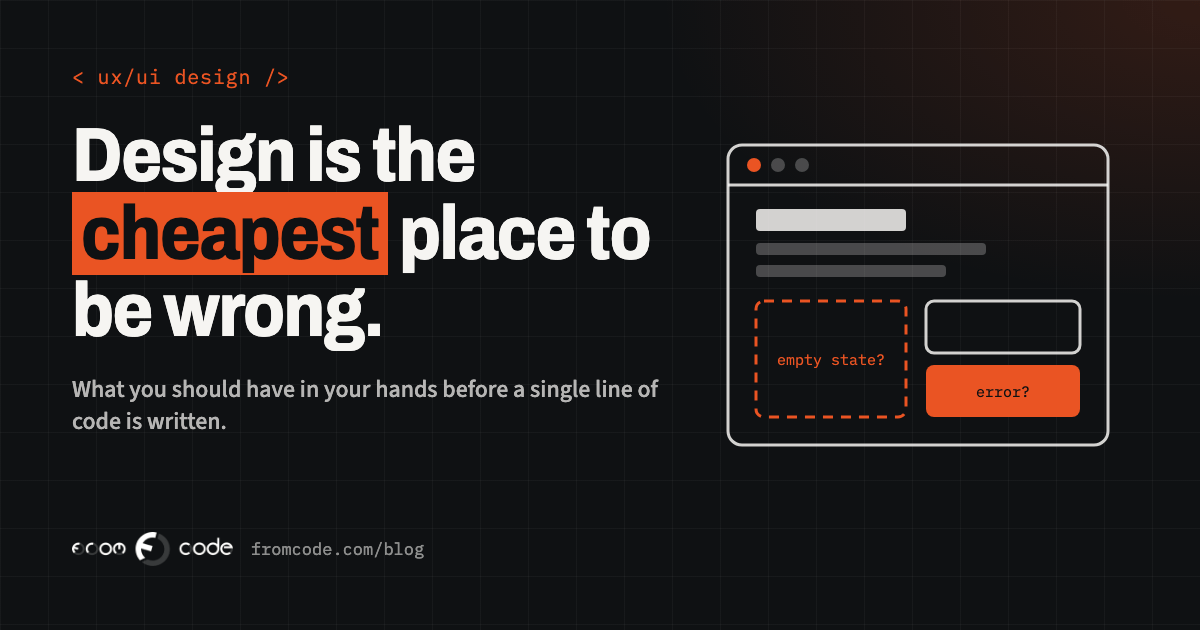
What a design phase should give you before any code is written
A design phase is the cheapest place to be wrong. What you should have in your hands before the build starts: the tasks, every screen in its real states, components instead of pages, the real words, a prototype you have tried, and a handover anyone can build from.
The true cost of manual work between your shop, invoices and shipping
A practical way to measure what the copying between your shop, invoicing and courier really costs: where the manual work hides, a one-week log you can start tomorrow, the three numbers to count, how to rank what to automate first, and how to prove afterwards that it helped.
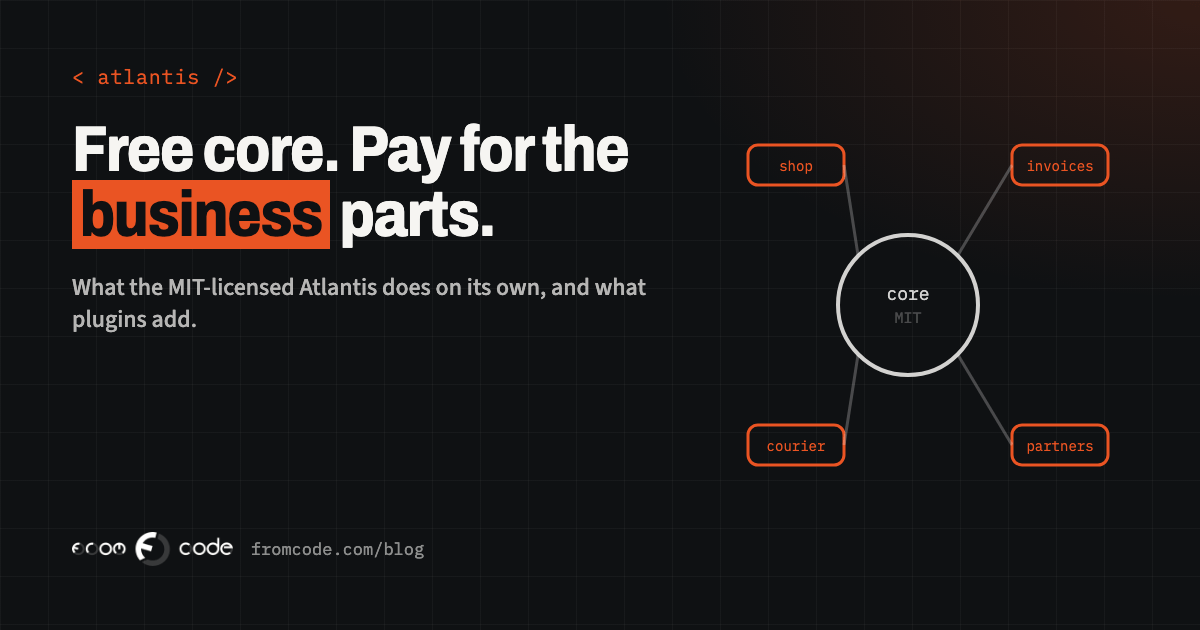
What Atlantis gives you for free, and what commercial plugins add
A tour of the Atlantis framework: how it is put together, everything the MIT-licensed core does on its own, how a plugin is built and isolated, what it takes to run it yourself, and why business features are separate commercial plugins.
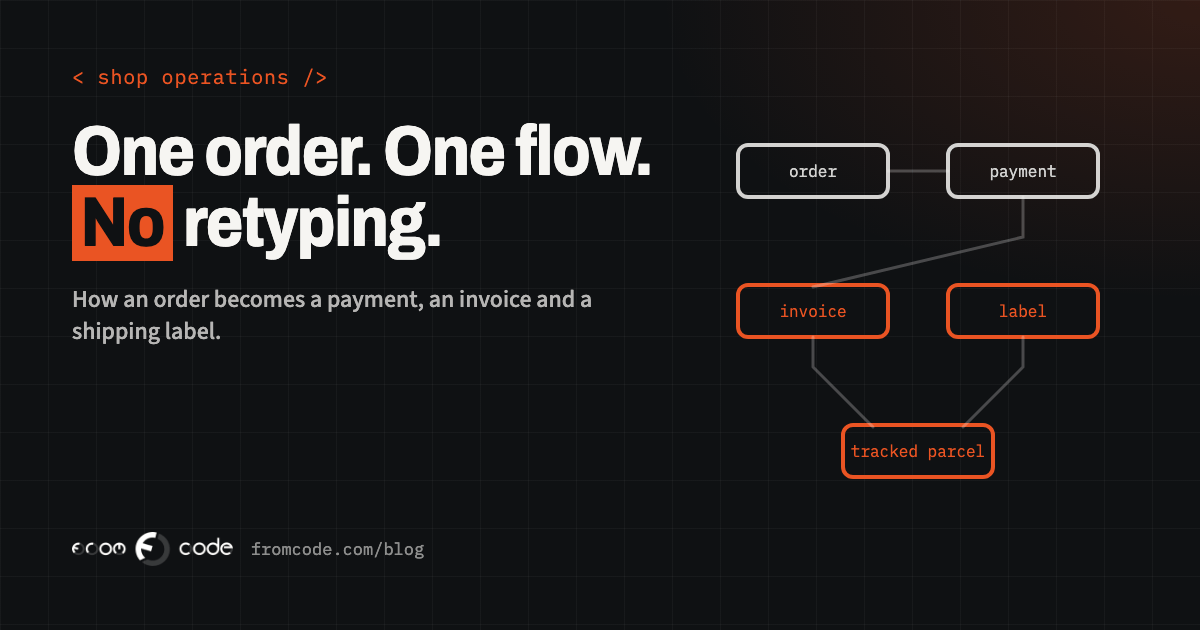
From order to invoice to shipping label: one working flow
A business in Bulgaria that takes orders on its Atlantis site: how one order becomes a payment record, an invoice, an Econt label and a tracked parcel. Every step as it really runs, which settings decide it, what is still done by hand, and why.
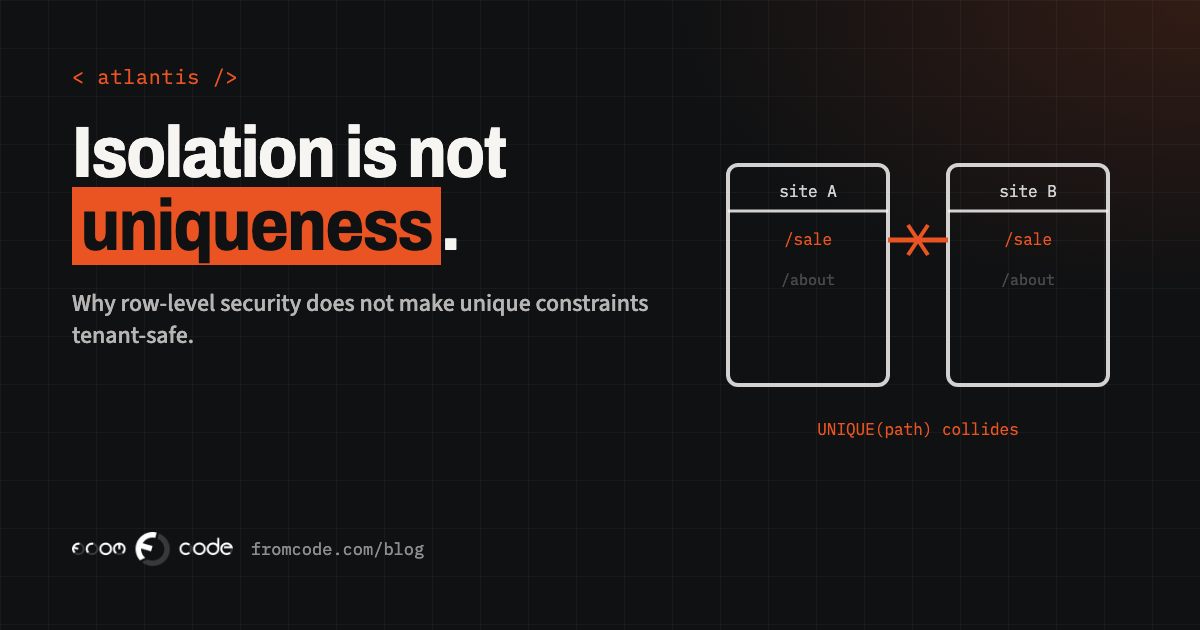
Row-level security does not make your unique constraints tenant-safe
Two separate faults in one redirects table: a missing isolation policy let one site’s redirects fire on another, and a global UNIQUE index stopped two sites from using the same path. How Postgres row-level security is set up in a multi-tenant application, how both faults happened, the SQL that fixes them, and the queries that find the rest.
Letting an AI assistant work on your business system, safely
AI assistants can now do real operator work: update content, check orders, find a missing invoice. Giving one access to a business system is also giving it the keys. How to do it safely: scoped tokens, permissions checked on every call, personal data kept out, money records read-only, and everything audited.
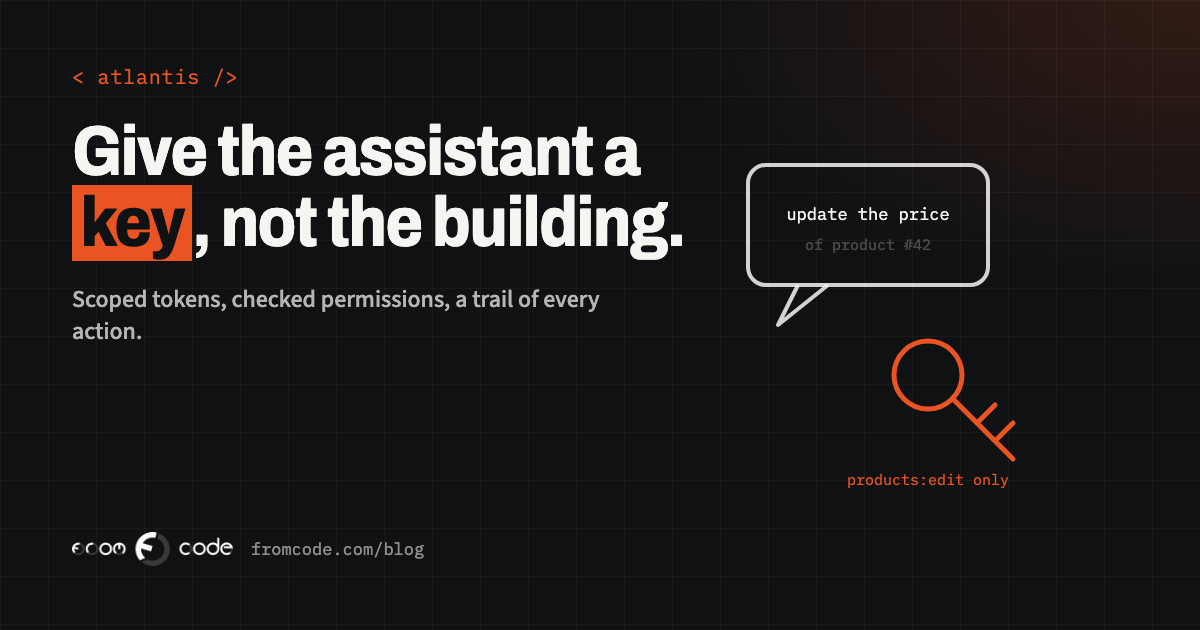
Hosting and deploys: what to own and what to rent
Shared hosting, your own server, a managed platform or a cloud provider: what each really costs, what you are responsible for, how to release changes without taking the site down, and which parts of your setup you should own no matter where it runs.
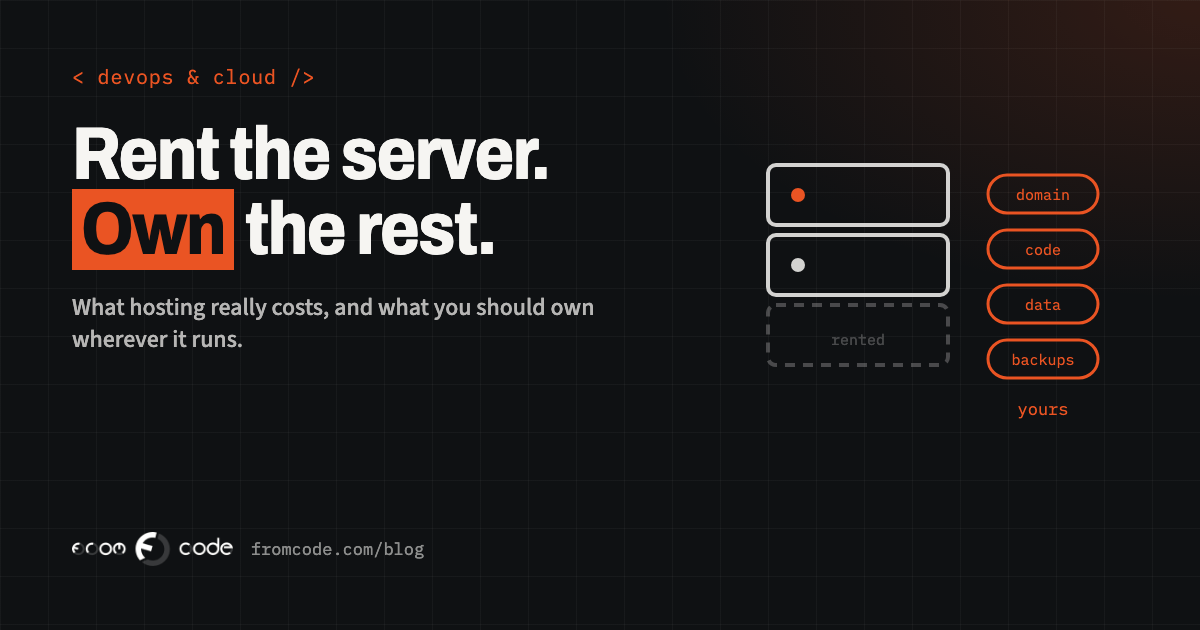
Security before launch: what to check before going live
Most security incidents in small business systems are not sophisticated attacks. They are open doors: access checks that were never made, uploads that can run code, secrets in the repository, admin accounts without a second factor. A pre-launch review that closes them.
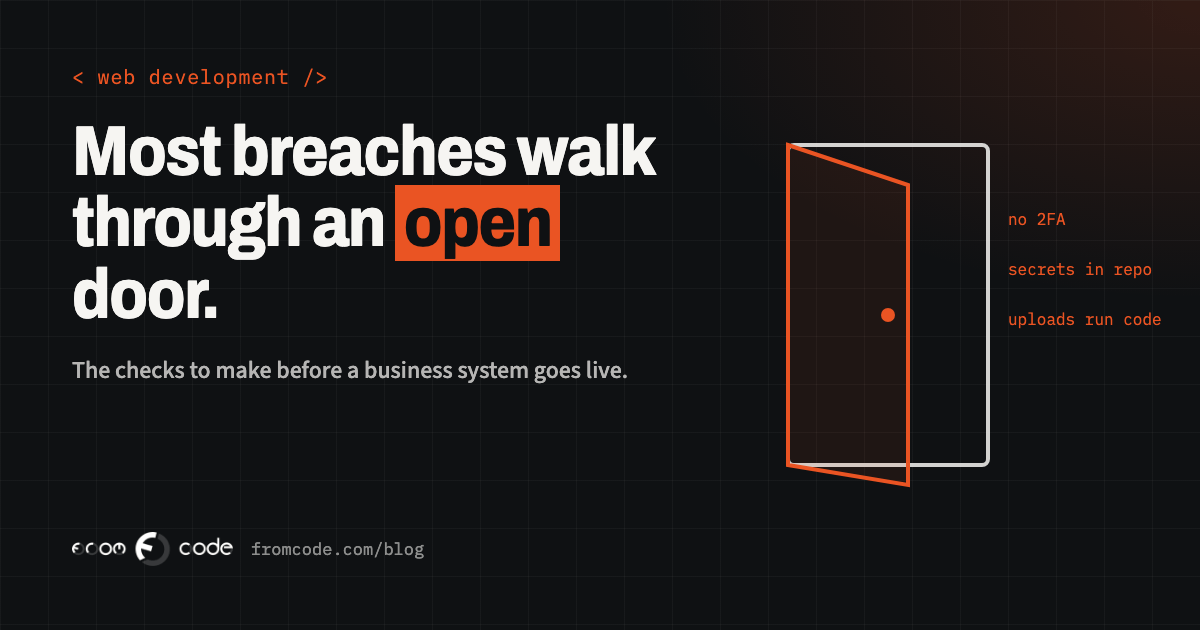
Fast on a real phone: measuring and fixing page speed
A site that feels fast on an office laptop can feel slow on a mid-range phone on mobile data, which is how most customers see it. How to measure speed the way customers experience it, what the Core Web Vitals mean, and the fixes that make the biggest difference.
When to improve an existing system instead of replacing it
Six questions that decide whether old software should be improved, connected, replaced in stages or replaced at once, how to answer each with evidence, how a staged replacement and a switch-over actually work, and the costs a replacement estimate tends to leave out.
Apps that work on a bad connection
Warehouses, basements, trains and rural roads: most apps are used somewhere the signal drops. How to design a mobile app that keeps working offline, queues changes safely, syncs without losing or duplicating data, and tells the user honestly what has been saved.
What happens before I quote a software project
How a software project with me starts: the first conversation and how to prepare for it, what a written scope contains, with an example, how the first step is chosen, when a paid review comes first, and what makes an estimate trustworthy or not.
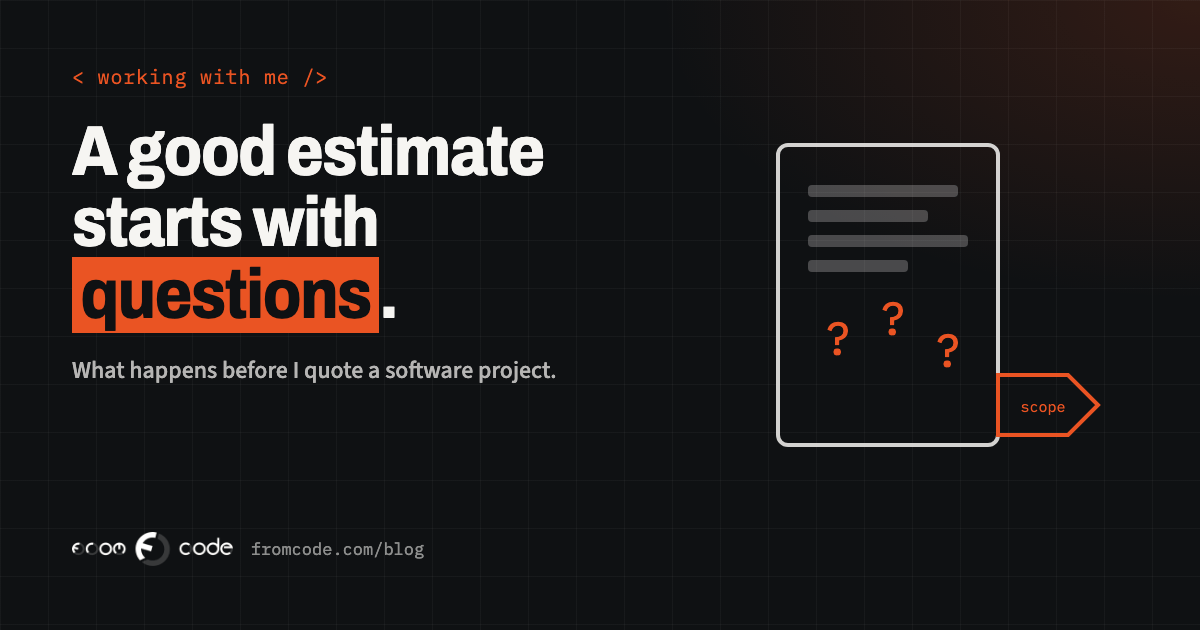
React Native or native? How to decide for your app
One codebase for iOS and Android sounds like half the cost, and sometimes it is. How to decide between React Native and fully native apps for a specific app: what the app does, which device features it needs, what happens in the background, and what the second codebase really costs.
What I check before taking over an existing application
Four checks before the first change to software someone else wrote: whether the running code matches the repository and how it is released, who holds access, whether the data can be restored, and what the first safe change is. With the commands, the inventories and the warning signs.
Getting your app through App Store and Google Play review
What stands between a finished app and the stores: developer accounts in the right name, signing, the review guidelines that cause most rejections, privacy declarations, testing tracks, and releasing to everyone gradually instead of at once.
Why Fromcode projects are founder-led
Fromcode has built software since 2011, and today I lead every project myself. What that gives you, what it cannot, when I bring in a specialist, how a project is set up so it can be handed over, and what to ask any small supplier.
Which tests to write first
Most projects have either no tests or the wrong ones. How to decide what to test first, why a coverage percentage is a poor target, what a test that blocks a merge looks like, and how to make sure a bug that was fixed stays fixed.
Need something built for you? Tell us what you want to build or improve.
Discuss your projectA few lines are enough to start. You get a reply within two working days.